
Should you Transplant plants in your garden?
5 March 2026
Be careful of what you want to transplant in your garden as some species do not fare well.
Also we need to know why you want to transplant shrubs and so forth. Sometimes it is because home owners want to create more space, perhaps for young children to play in. Then allow us to recommend pruning at the base of the plant to create space around the “trunks” for them to play in and this also gives shade. Transplanting can be risky as various species can die and we can suggest cost-effective alternatives.
Ask us first.
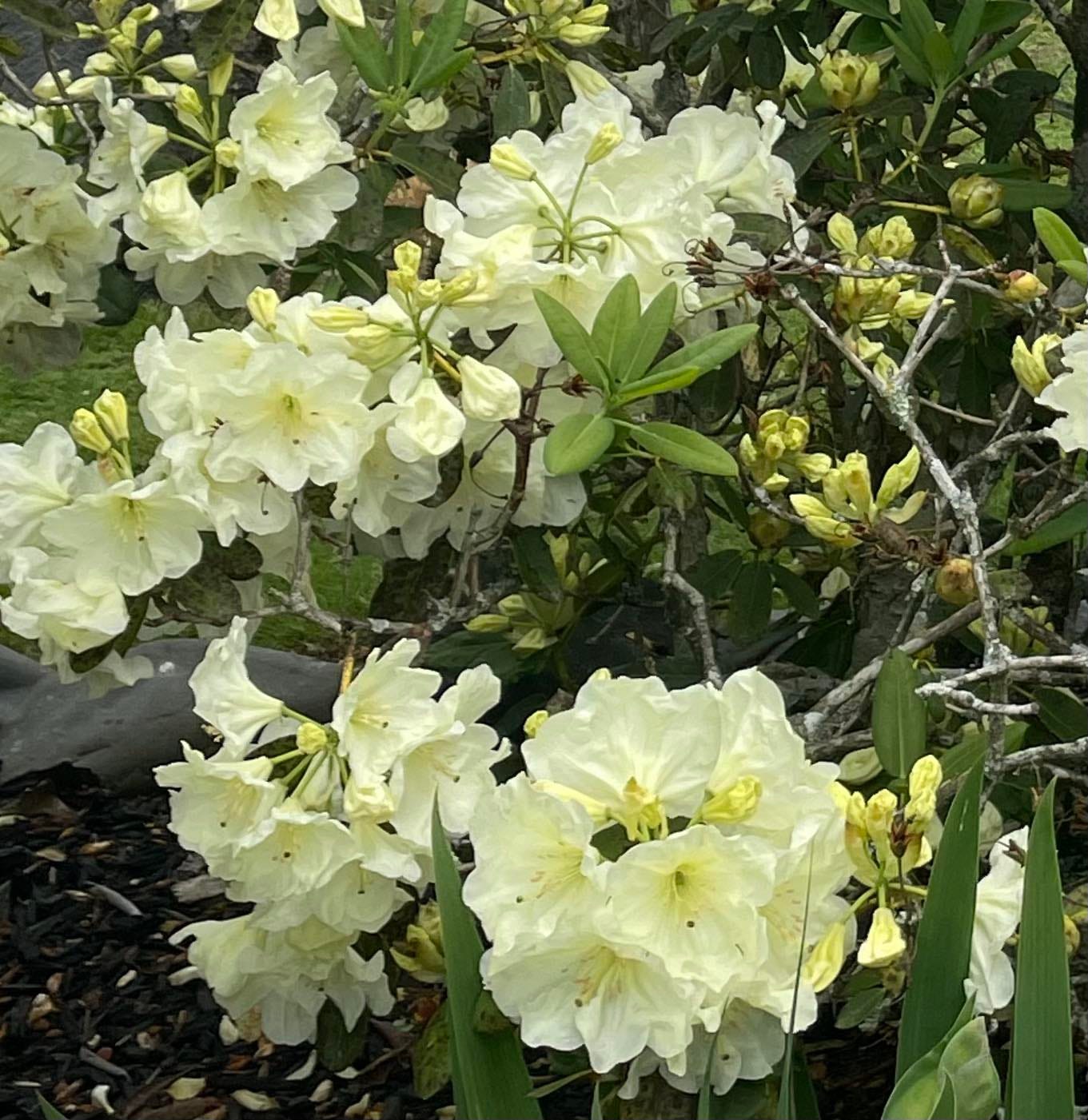
Rhododendrons transplant well because of their fibrous root system. When in bloom they are beautiful and they have lovely green textures all year round.
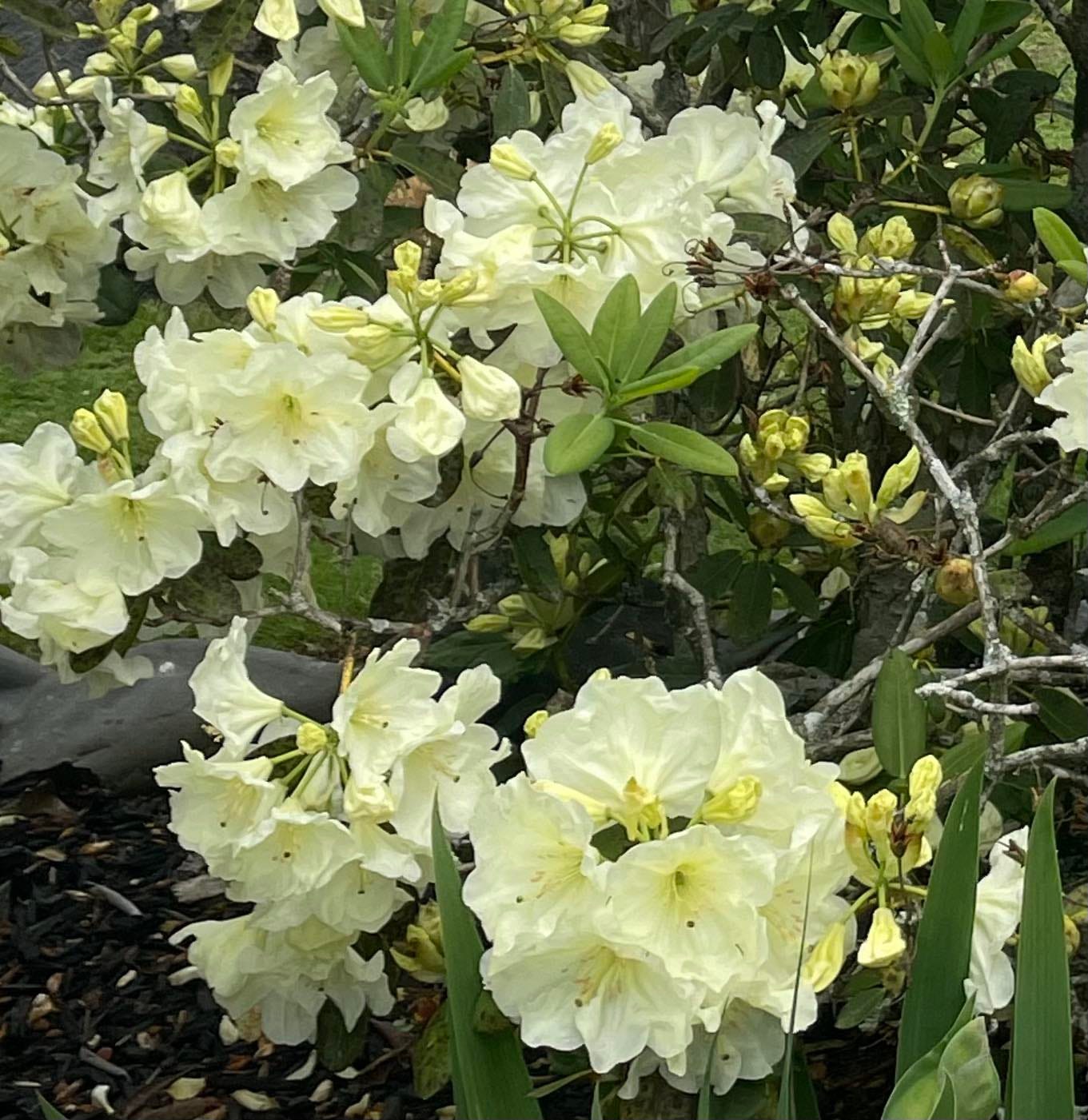
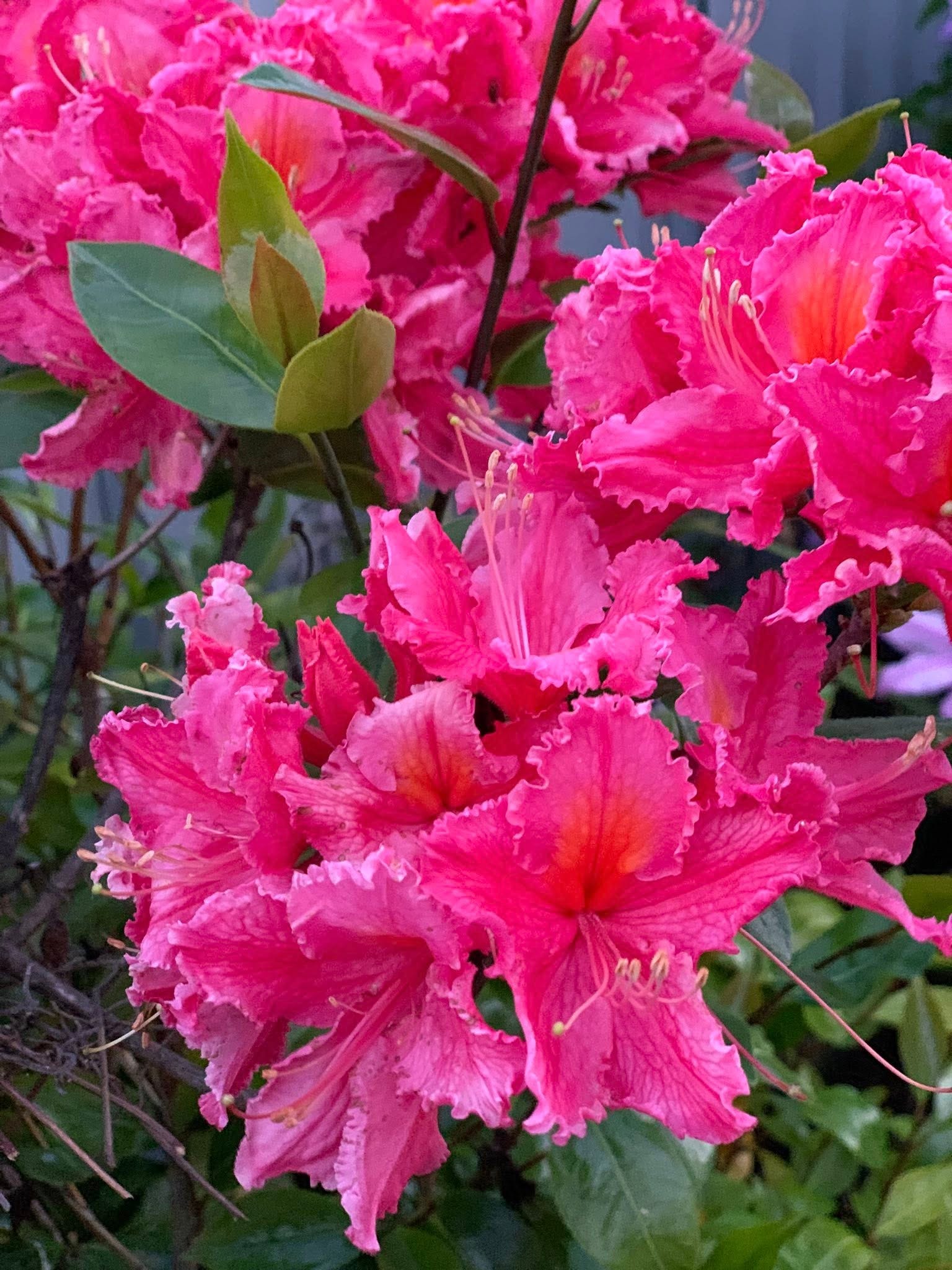
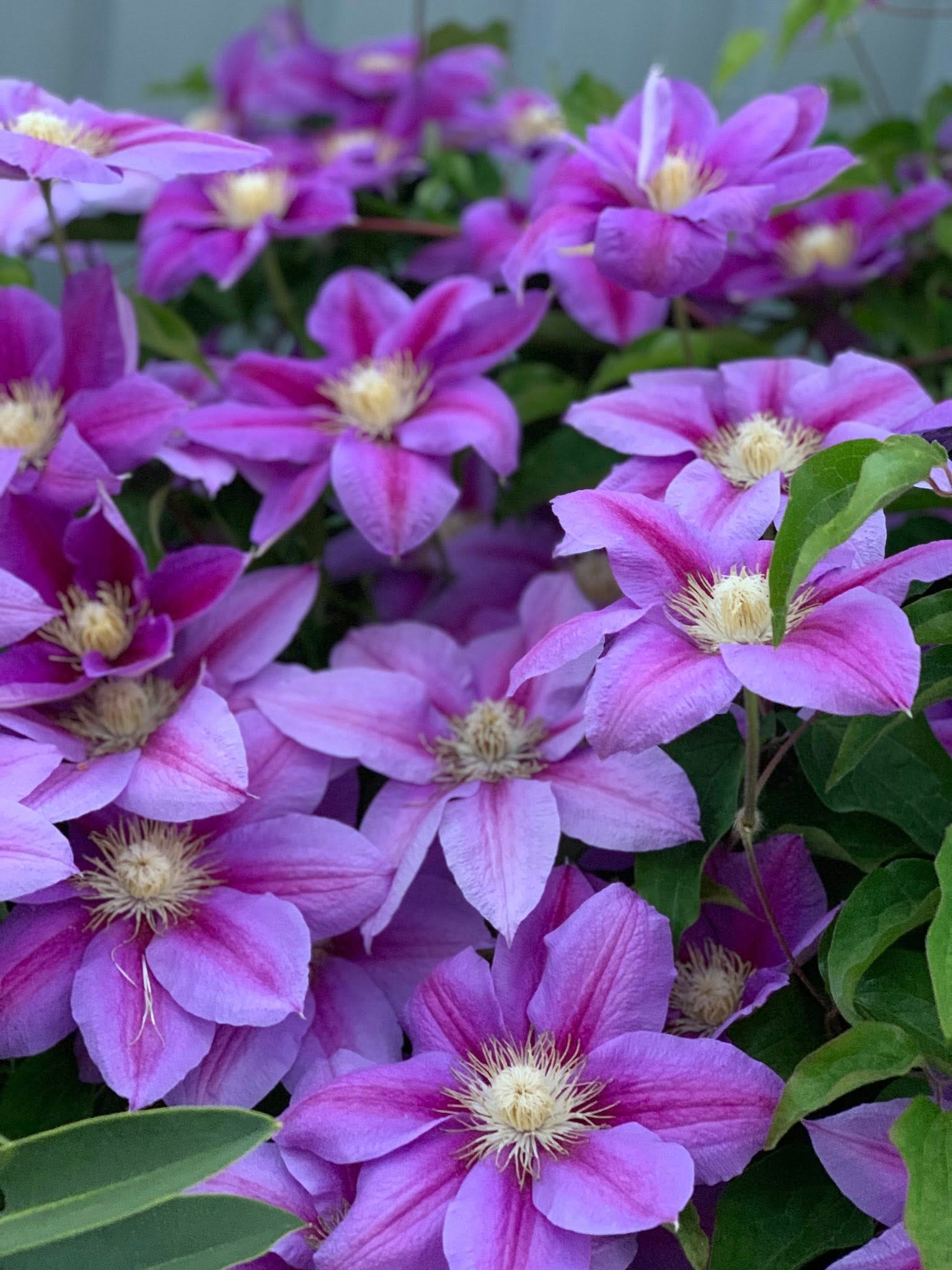
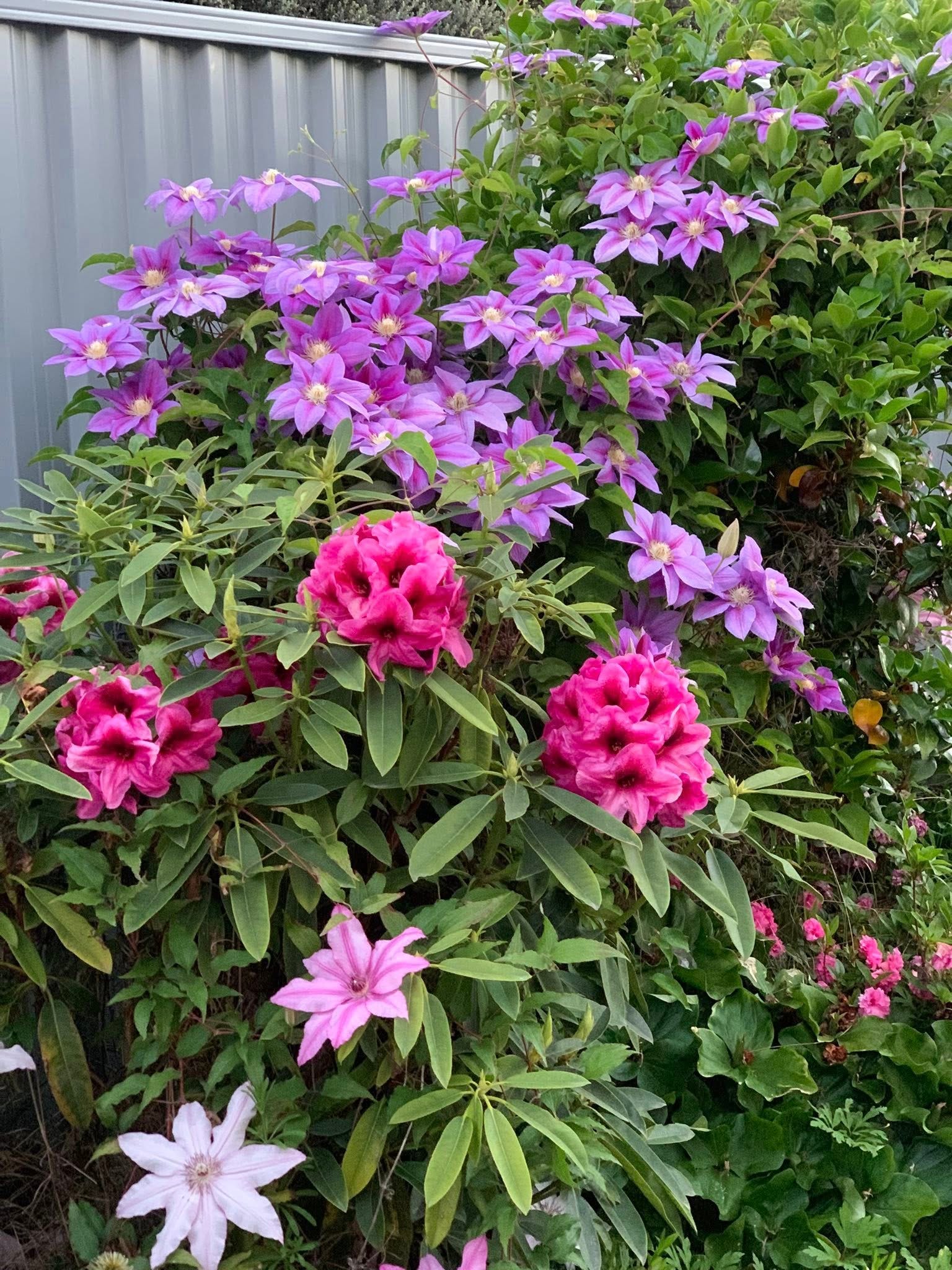
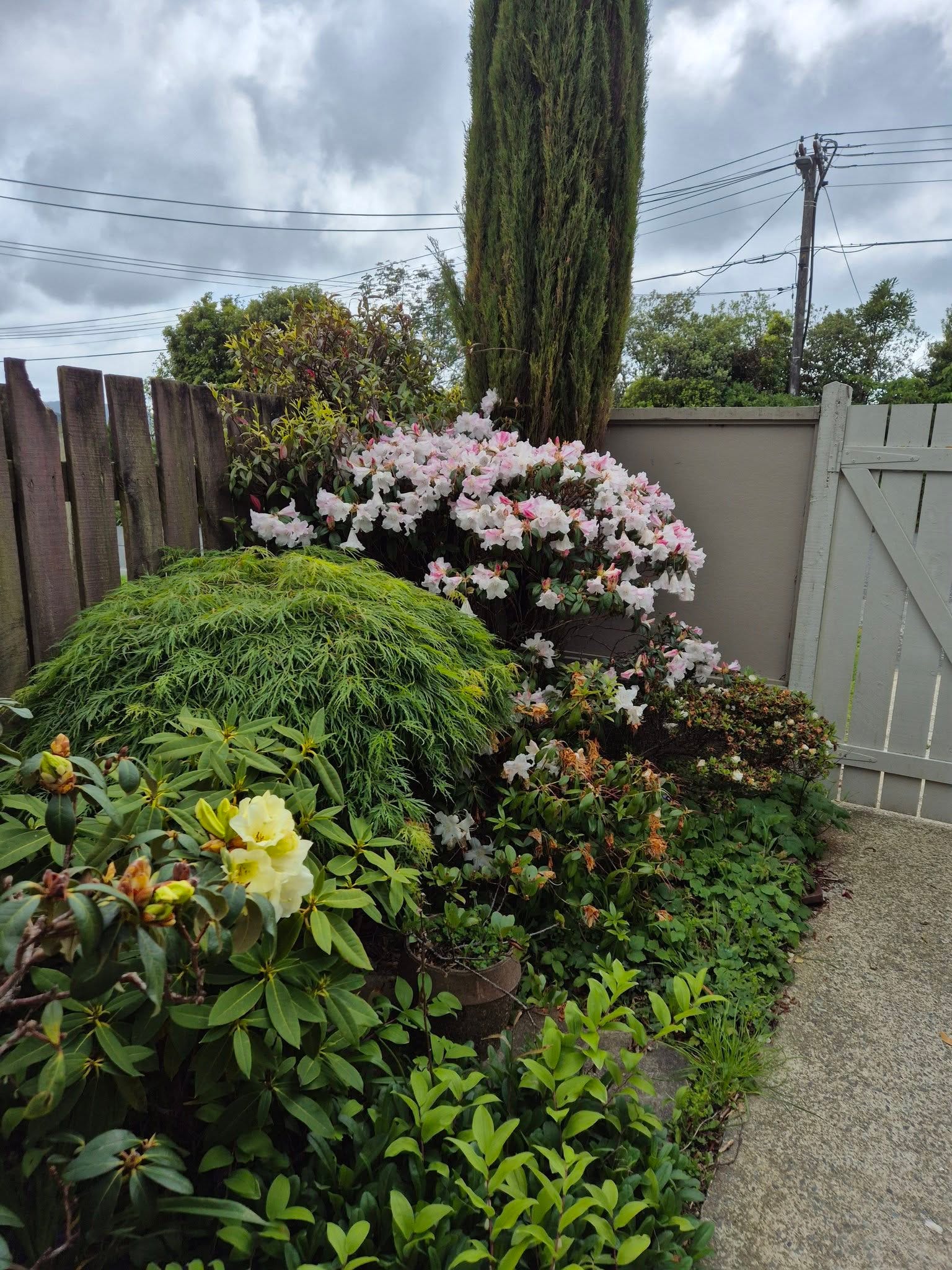
Above are examples of rhododendrons in bloom and the variety of colours
The key is to keep as much of the fibrous roots by digging as wide as the dripline before removing. You don’t need to dig very deep usually, probably half the width is fine. Late autumn and winter is the best time.
The ideal time to transplant is probably just after they finish flowering but they usually can be moved almost any time.
Keep them well watered after transplanting.
Put some sheep pellets and compost in the hole and lots of water.
Other plants that usually transplant reasonably well and which are similar to typical rhododendrons are listed below. But if you are on the North Shore or anywhere in Auckland, consider using our services, phone Rod at ImpressioNZ Outdoors Gardening 02102834953 www.impressionz.co.nz
Azaleas: Subgenus of Rhododendron, sharing similar, but smaller, foliage and flower structures.
Heaths and Heathers (Erica and Calluna): Low-growing evergreens for acid soils
Mountain Laurel (Kalmia): Often grown alongside rhododendrons etc for the same soil requirements.
Blueberries and Cranberries (Vaccinium): Also in the Ericaceae family.
Pieris (Andromeda): Evergreen shrubs that go well as a contrast with rhododendrons.